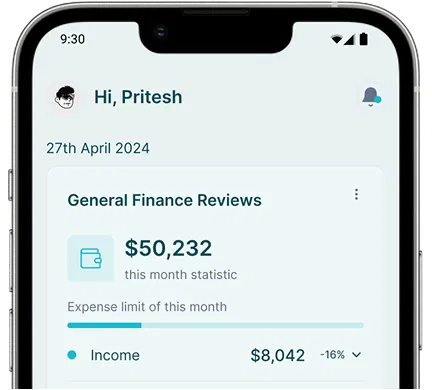
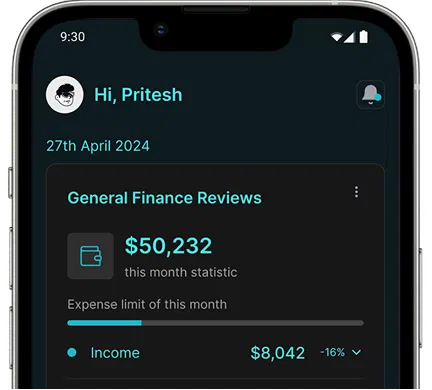
Raw financial data alone doesn't create better outcomes. The real value comes from turning numbers into clear insights that guide smarter everyday choices. Most people have access to banking apps, credit card statements, and transaction histories, but these tools often feel overwhelming rather than helpful. When data sits in spreadsheets or disconnected accounts, it becomes noise instead of guidance.
The challenge is not collecting information but transforming it into something useful. Good financial decisions require more than knowing what you spent last month. They require understanding patterns, spotting trends, and seeing how small choices affect larger goals. This article explores how to turn financial data into actionable insights that improve daily decision-making and help you stay aligned with your priorities.
Why Raw Data Feels Overwhelming
Many people feel lost when looking at their financial statements. Rows of transactions show where money went, but they rarely explain why spending happened or what to do differently. Without context, data becomes a list of past actions rather than a tool for future improvement.
The problem is not the amount of information. It is the lack of clarity. When every transaction looks equally important, nothing stands out. Without highlighting patterns or trends, it becomes difficult to know which expenses matter most or where adjustments could make a real difference.
Financial data becomes useful only when it is organized, filtered, and presented in ways that reveal meaning. Simple summaries, visual breakdowns, and comparison tools transform numbers into stories that make sense. Instead of feeling buried by details, you start seeing your financial behavior clearly.
Understanding where confusion comes from is the first step. Once you recognize that raw data needs structure, you can focus on finding or creating systems that provide that clarity. The goal is not to track every cent obsessively but to see the bigger picture that helps guide daily decisions.
Patterns Reveal What Numbers Alone Cannot
Looking at individual transactions tells you very little. A coffee purchase on Monday means something different than ten coffee purchases every week. Patterns show habits, and habits shape outcomes. Recognizing these patterns is where financial data starts to work for you instead of against you.
When you track spending over weeks or months, trends emerge. You begin noticing which categories consistently exceed expectations and which remain stable. These insights help you understand whether your spending aligns with your values or if certain habits deserve reconsideration.
Patterns also highlight exceptions. An unusual spike in spending might signal an emergency, a forgotten subscription, or a seasonal expense. Seeing these outliers clearly allows you to respond appropriately rather than guessing or worrying unnecessarily.
Data visualization plays a key role here. Charts and graphs make patterns obvious at a glance. Instead of reading through long lists, you see peaks and valleys that tell a story. Visual tools help your brain process information faster and make connections that might otherwise go unnoticed.
Recognizing patterns does not require complex analysis. It requires consistent observation and simple tools that summarize your behavior over time. When you see the same categories growing month after month, you gain the awareness needed to make intentional changes before small issues become big problems.
Financial data becomes powerful when it stops being a record of the past and starts being a guide for the future.
Turning Insights Into Immediate Action
Insights without action change nothing. Once you understand your spending patterns, the next step is using that knowledge to make better choices in real time. This means having access to your financial picture when decisions matter, not just at the end of the month when it is too late to adjust.
Real-time awareness changes behavior. When you know how much you have already spent in a category before making another purchase, you naturally pause and consider whether that expense fits your priorities. This small moment of reflection often leads to smarter choices without feeling restrictive or stressful.
Actionable insights also help with planning. If data shows that groceries typically cost a certain amount each week, you can set realistic expectations and avoid surprises. If dining out has crept higher than intended, you can adjust proactively rather than reacting with guilt or frustration later.
Technology makes this easier. Apps that categorize spending automatically and send alerts when limits approach keep your financial picture front of mind. These tools do not tell you what to do but provide the information needed to decide confidently. The difference between knowing and guessing is significant.
Taking action based on insights requires trust in the data. When tracking is accurate and timely, decisions feel grounded rather than reactive. You stop second-guessing yourself because the information supports your choices. This confidence builds momentum and reinforces positive habits over time.
Aligning Daily Choices With Long-Term Goals
Financial data becomes most valuable when it connects daily decisions to bigger goals. Spending five dollars today feels inconsequential until you realize that same five dollars repeated daily becomes a significant amount over months. Insights help bridge the gap between immediate actions and long-term outcomes.
When data shows progress toward a goal, motivation increases. Seeing savings grow or debt shrink validates effort and encourages consistency. Conversely, when data reveals drift away from priorities, it provides an opportunity to course-correct before momentum is lost.
Alignment requires clarity about what matters most. If travel is a priority, seeing how much discretionary spending goes toward other areas might prompt adjustments. If building an emergency fund is the focus, tracking progress toward that specific goal keeps attention where it belongs.
Data-driven decisions remove ambiguity. Instead of wondering whether you can afford something, you know based on your current spending and goals. This clarity reduces stress and makes financial management feel less like guesswork and more like intentional planning.
Long-term alignment also means adjusting goals as life changes. Financial data helps you see when goals are too aggressive or too conservative. It provides feedback that keeps plans realistic and achievable rather than static and disconnected from reality.
Making Data Work For You Daily
Turning financial data into better decisions is not about perfection. It is about progress. Small improvements in awareness lead to better choices, which compound over time into meaningful change. The key is making data accessible, understandable, and relevant to your everyday life.
Start by choosing tools that simplify rather than complicate. Automated categorization, spending summaries, and visual reports reduce friction and make insights easy to access. The less effort required to see your financial picture, the more likely you are to use it regularly.
Consistency matters more than intensity. Checking in briefly each day or week keeps you informed without feeling burdensome. Regular engagement builds familiarity, and familiarity makes data feel natural rather than intimidating.
Context is crucial. Data presented without comparison or benchmarks offers limited value. Knowing you spent a certain amount means more when you can compare it to last month, your budget, or your goals. Context transforms numbers into meaningful information.
Ultimately, financial data should serve you, not the other way around. The goal is not to become obsessed with every transaction but to gain enough clarity that daily decisions become easier and more aligned with what matters most. When data supports your priorities instead of creating anxiety, it becomes a powerful tool for building the financial life you want.
Conclusion: Data as a Daily Decision Partner
Financial data transforms from overwhelming noise into a reliable guide when it is organized, understood, and applied consistently. Patterns reveal habits, insights enable action, and alignment connects daily choices to long-term goals. The difference between struggling financially and thriving often comes down to how well you use the information already available.
Better decisions do not require perfect knowledge or constant vigilance. They require clarity, context, and tools that make insights accessible when they matter most. By turning data into something useful and actionable, you create a foundation for financial confidence that grows stronger with every choice.
The path forward is simple: track consistently, seek patterns, take action, and stay aligned. With these steps, financial data stops being a source of stress and becomes a trusted partner in making better decisions every day.
 TRENDING