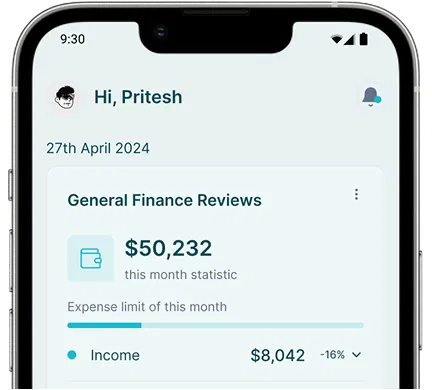
Mindful spending is not about restriction or guilt. It is about awareness and intention, making choices that align with your values and priorities. Many people spend reactively, responding to impulses, conveniences, or social pressures without considering whether purchases truly serve their interests. This pattern leads to regret, financial stress, and a persistent feeling that money disappears without creating lasting satisfaction.
Expense insights change this dynamic. When you have clear visibility into spending patterns, categories, and trends, decision-making shifts from reactive to intentional. You start seeing not just what you spent but why and whether those choices reflect what matters most to you. This article explores how expense insights foster mindful spending and help you make better financial decisions every day.
Understanding Where Money Actually Goes
Most people underestimate their spending. Without tracking, memory becomes selective. You remember the big purchases but forget the small frequent ones. Coffee, snacks, apps, and impulse buys fade from memory quickly, yet they accumulate into substantial amounts over time.
Expense insights bring this hidden spending into view. Seeing a comprehensive picture of all transactions eliminates the guesswork. You stop estimating and start knowing. This clarity alone often prompts immediate behavior change because the gap between perception and reality becomes obvious.
Categorized spending reveals priorities. When insights break down expenses into categories like dining, entertainment, transportation, and shopping, patterns emerge. You might discover that a category you consider minor actually consumes a significant portion of your budget. This awareness creates opportunities for realignment.
Timing patterns also matter. Expense insights show when spending spikes occur. Perhaps weekends drive higher costs, or the end of the month brings convenience purchases as energy and planning decline. Recognizing these timing patterns allows you to prepare strategies that reduce spending during vulnerable periods.
Frequency insights highlight habits. Seeing that you visit the same coffee shop fifteen times a month or order delivery ten times reveals habitual behavior. Habits operate below conscious awareness, which makes them hard to change without first making them visible. Insights shine light on these patterns and create the awareness needed for intentional adjustment.
Finally, understanding where money goes builds accountability. When spending is visible, it becomes harder to ignore or rationalize. You face your choices directly, which naturally prompts questions about whether those choices serve your larger goals. This self-accountability is often more powerful than external pressure or budgeting rules.
Connecting Spending to Values and Goals
Mindful spending means aligning expenses with what you care about most. Without insights, this alignment happens accidentally if at all. With insights, you can deliberately assess whether spending patterns reflect your stated priorities.
Start by identifying your core values. What matters most to you? Experiences, security, relationships, learning, creativity, health, or something else? Once values are clear, expense insights show whether spending supports those values or works against them.
For example, if relationships matter most but insights show minimal spending on shared activities while discretionary purchases dominate, there is misalignment. This does not mean you must spend money to value relationships, but it does highlight whether current patterns support connection or distract from it.
Goal alignment works similarly. If building an emergency fund is a priority but insights show that discretionary spending leaves nothing for savings, the gap between intention and action becomes clear. This visibility creates urgency and motivation to adjust behavior so goals receive the resources they need.
Insights also reveal value-driven spending that deserves protection. Perhaps you spend meaningfully on hobbies that bring joy, learning opportunities that support growth, or health expenses that maintain wellbeing. Recognizing these categories as valuable prevents them from being cut during budget adjustments while less meaningful spending gets reduced instead.
Mindful spending is not about spending less universally. It is about spending well on things that matter and reducing waste on things that do not. Expense insights provide the information needed to make these distinctions clearly and confidently.
Awareness transforms spending from automatic behavior into intentional choice.
Reducing Impulse Purchases Through Awareness
Impulse spending is a major obstacle to financial health. It happens quickly, feels justified in the moment, and often brings regret later. Expense insights create friction that slows impulsive decisions and encourages more thoughtful choices.
When you know your spending patterns, you become more aware before purchases. Instead of buying automatically, you pause and consider whether the purchase fits within your typical spending or represents an outlier. This brief moment of reflection often prevents regrettable decisions.
Insights also quantify the cost of impulse buying. Seeing that impulse purchases total several hundred each month makes the cumulative impact real. Individual purchases feel small and harmless. The total reveals a pattern that deserves attention and change.
Real-time spending alerts reinforce mindfulness. When you receive a notification showing current spending in a category, it prompts reconsideration before adding more. This gentle reminder keeps budget awareness active throughout the month instead of only during monthly reviews when it is too late to adjust.
Understanding triggers helps reduce impulse spending. Expense insights combined with reflection reveal when and why impulse purchases happen. Stress, boredom, social situations, and advertising all trigger spending. Recognizing your specific triggers allows you to develop strategies that address root causes rather than just symptoms.
Building a waiting period into purchasing decisions reduces impulse buying significantly. When insights show that many past purchases were impulsive, committing to wait twenty-four or forty-eight hours before non-essential purchases becomes easier to justify. This delay allows the initial impulse to fade and rational consideration to emerge.
Identifying and Eliminating Wasteful Spending
Wasteful spending is not always obvious. It hides in subscriptions forgotten, services unused, and purchases that provided temporary satisfaction but no lasting value. Expense insights uncover these leaks so you can redirect resources toward more meaningful uses.
Subscription creep is common. Streaming services, apps, memberships, and recurring charges accumulate over time. Individually they seem affordable. Collectively they drain significant resources. Insights that categorize and highlight recurring charges make these subscriptions visible so you can evaluate whether each still provides value worth its cost.
Duplicate expenses also emerge through analysis. Perhaps you have multiple subscriptions offering similar content or services. Consolidating or eliminating duplicates reduces spending without sacrificing access or enjoyment. Insights make these duplications obvious when viewing all expenses together.
Convenience spending is another area where waste hides. Delivery fees, expedited shipping, last-minute purchases at premium prices, and paying for convenience when free or cheaper alternatives exist all fit this category. Insights show how much convenience costs, which helps you decide whether that convenience is worth the premium.
Unused purchases represent pure waste. Items bought with good intentions but never used, gym memberships that go untouched, or courses purchased but never completed all drain resources without providing benefit. Reviewing past expenses highlights these patterns so future decisions avoid repeating them.
Emotional spending also surfaces through insight analysis. Purchases made to cope with stress, boredom, or sadness often provide temporary relief but create long-term regret. Recognizing emotional spending patterns allows you to develop healthier coping strategies that do not involve financial waste.
Making Adjustments That Stick
Insights alone do not change behavior. Action does. The goal of expense insights is to inform decisions that lead to lasting change. Small adjustments made consistently create better results than dramatic changes attempted briefly.
Start with the easiest changes. Canceling unused subscriptions requires minimal effort and creates immediate ongoing savings. These quick wins build momentum and confidence for tackling more challenging adjustments.
Set specific targets based on insights. Instead of vaguely wanting to spend less, use data to set realistic category limits. If dining out typically costs four hundred monthly and you want to reduce it, set a target of three hundred and track progress. Specific targets make success measurable and achievable.
Automate positive behaviors. If insights show savings is inconsistent, automate transfers so saving happens without requiring active decision-making. If certain purchases are problematic, remove saved payment information to add friction that slows impulse decisions.
Review insights regularly. Monthly check-ins keep spending patterns visible and allow for course corrections before small issues become large problems. Regular review also reinforces awareness, which naturally leads to more mindful daily decisions.
Celebrate progress and learn from setbacks. When spending aligns better with goals, acknowledge the improvement. When spending drifts, analyze what happened without judgment and adjust strategies accordingly. Both successes and challenges provide valuable information for continued growth.
Conclusion: From Awareness to Intention
Expense insights transform spending from unconscious habit into conscious choice. They reveal where money goes, highlight patterns, expose waste, and connect spending to values and goals. This awareness is the foundation of mindful spending.
Mindful spending does not require perfection or sacrifice. It requires clarity about what matters and intentionality about how money supports those priorities. Insights provide the clarity. Your choices provide the intention. Together they create a financial life that feels aligned, purposeful, and sustainable.
Start by gathering insights about your current spending. Review patterns, identify misalignments, and make small adjustments that move you toward greater mindfulness. Over time, these changes compound into spending habits that truly serve your life rather than working against it.
 TRENDING