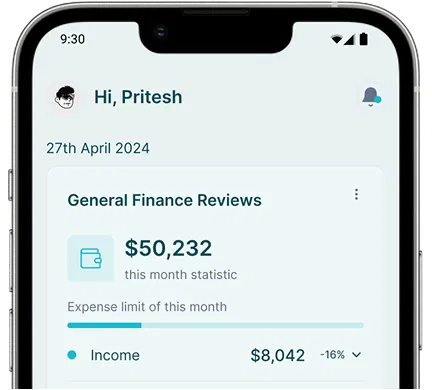
Slow or complicated tracking systems fail because they require too much effort to maintain. Fast tracking works because it fits naturally into daily life. When recording expenses takes minutes or requires multiple steps, tracking becomes a chore that eventually gets abandoned. When it takes seconds and integrates seamlessly with spending, tracking becomes sustainable and effective.
Control over finances comes from awareness. You cannot manage what you do not measure. Fast expense tracking provides real-time visibility into spending patterns, which allows immediate adjustments before small issues become big problems. This article explores why speed matters in expense tracking and how fast systems help you maintain financial control consistently.
The Problem With Slow Tracking Systems
Traditional expense tracking often involves manual entry, receipts, spreadsheets, and end-of-month reconciliation. This approach is time-consuming and tedious. The gap between spending and recording creates distance that reduces accuracy and engagement.
When tracking is slow, expenses get forgotten. You might remember major purchases but miss smaller transactions. Over time, these gaps add up to significant blind spots in your financial picture. Without complete data, tracking loses its value because the information is too incomplete to guide decisions.
Delayed tracking also reduces behavioral impact. When you record expenses days or weeks after they occur, the connection between action and consequence weakens. The purchase feels like history rather than something you can still influence. Real-time awareness keeps spending decisions front of mind when they matter most.
Manual systems are also error-prone. Transcription mistakes, forgotten transactions, and miscategorized expenses all compromise data quality. Poor data leads to poor insights, which undermines the entire purpose of tracking. Fast automated systems reduce these errors significantly.
Another issue with slow tracking is motivation loss. Starting each month with good intentions, many people abandon tracking within weeks when it feels like too much work. The effort required does not feel worth the benefit, especially when results are not immediately visible. This cycle of starting and stopping prevents the consistent tracking needed for meaningful financial improvement.
Complexity creates barriers. Systems with too many categories, detailed fields, or complicated processes overwhelm users. The more steps required, the less likely tracking will continue. Simplicity and speed remove these barriers and make tracking something you do naturally rather than something you force yourself to complete.
How Speed Creates Sustainable Habits
Fast tracking works because it requires minimal effort. When adding an expense takes five seconds, you do it immediately without thinking. This instant capture creates complete records without feeling burdensome. The less friction involved, the more likely the habit sticks.
Speed also enables real-time awareness. When tracking happens instantly, you see your current spending status immediately. This visibility allows you to make informed decisions throughout the day rather than only during scheduled reviews. Real-time information supports real-time adjustments.
Quick tracking integrates naturally into purchasing behavior. Swipe your card, tap your phone, or scan a receipt, and the expense is recorded automatically. This seamless integration means tracking becomes part of the transaction rather than a separate task requiring additional time and attention.
Habit formation relies on ease and consistency. Behaviors that feel effortless are more likely to become automatic. When tracking is fast, it transitions from conscious effort to unconscious habit more quickly. Once habitual, it continues without requiring motivation or discipline.
Fast systems also provide immediate feedback. Seeing spending totals update in real-time creates awareness that influences the next decision. This continuous feedback loop reinforces mindful spending and helps you stay aligned with budgets and goals throughout the month.
Finally, speed reduces decision fatigue. The more mental energy required to complete a task, the more likely you will skip it when tired or busy. Fast tracking demands minimal mental effort, which means it continues even during stressful periods when more complex systems would be abandoned.
Speed turns tracking from a task you must do into something that happens naturally as you spend.
Real-Time Visibility Prevents Overspending
One of the greatest benefits of fast tracking is real-time visibility. Knowing exactly where you stand financially at any moment prevents overspending before it happens. This proactive approach is far more effective than reactive correction after money is already gone.
Real-time data shows category balances instantly. Before making a purchase, you can check whether you have room in that category or if spending there will push you over budget. This moment of awareness often prevents purchases that would have caused regret later.
Spending alerts add another layer of protection. When you approach or exceed category limits, immediate notifications prompt reconsideration. These alerts work best when data is current. Delayed information means alerts come too late to prevent overspending.
Real-time tracking also reveals patterns as they develop. If you notice dining out costs rising early in the month, you can adjust behavior before the pattern consumes your entire discretionary budget. Early intervention is easier and less disruptive than major corrections later.
Visibility into total spending prevents the common problem of underestimating costs. Many people think they are spending less than they actually are because small transactions feel insignificant individually. Real-time totals show the cumulative impact, which provides a more accurate picture and better informs decisions.
Knowing your financial status reduces stress. Uncertainty about whether you can afford something or whether spending is on track creates anxiety. Real-time visibility eliminates guessing and provides confidence. You know where you stand, which makes every financial decision clearer and less stressful.
Automation Makes Fast Tracking Effortless
The fastest tracking happens automatically without requiring any manual action. Bank feeds, credit card integration, and receipt scanning eliminate the need to enter transactions manually. This automation is what makes modern expense tracking dramatically faster than traditional methods.
Automatic categorization further reduces effort. Smart systems learn your spending patterns and assign categories automatically. While occasional adjustments are needed, the majority of transactions require no manual work. This automation turns tracking from active task to passive monitoring.
Cloud synchronization keeps data current across devices. Whether you check spending on your phone, tablet, or computer, the information is always up to date. This accessibility means you can stay informed anywhere without worrying about syncing or updating manually.
Automated insights highlight important information without requiring analysis. Instead of reviewing every transaction, summaries show key patterns, anomalies, and trends. This curated information directs attention to what matters most, which saves time and improves decision-making.
Recurring expense recognition is another valuable automation. Systems that identify and flag recurring charges help ensure nothing is forgotten or overlooked. This visibility is especially important for subscriptions and automatic payments that can easily slip through unnoticed.
While automation handles most tracking, maintaining some manual oversight ensures accuracy. Occasional reviews confirm that categorization is correct and that all transactions are captured properly. This light touch keeps data quality high without demanding significant time or effort.
Fast Tracking Supports Better Financial Decisions
Speed and accuracy in tracking directly improve decision-making quality. When information is current and complete, choices are based on reality rather than estimates or assumptions. This grounding in actual data reduces mistakes and increases confidence.
Fast tracking enables scenario planning. Before committing to a purchase, you can see exactly how it will affect your budget. This preview allows you to evaluate whether the expense fits comfortably or requires cutting other areas. Making these assessments before spending prevents regret and overspending.
Comparing spending to goals happens naturally when tracking is fast. You see not just what you have spent but also how that spending affects progress toward savings targets, debt reduction, or other financial objectives. This connection keeps goals relevant and motivates continued discipline.
Fast tracking also supports collaboration when managing finances with a partner or family. Shared real-time visibility ensures everyone knows the current financial situation. This transparency prevents conflicts caused by one person spending without the other knowing, and it helps coordinate decisions that affect shared resources.
Historical data becomes more valuable when tracking is consistent and complete. Fast systems capture everything, which creates comprehensive records that reveal long-term trends and seasonal patterns. This historical perspective informs future planning and helps set realistic expectations.
Finally, fast tracking builds financial literacy. Regular engagement with spending data increases understanding of personal financial behavior. Over time, you develop intuition about costs, patterns, and priorities that makes financial management feel natural rather than forced or complicated.
Choosing Tools That Prioritize Speed
Not all expense tracking tools are created equal. Some prioritize features over usability, which creates complexity that slows everything down. The best tools for maintaining control are those designed for speed and simplicity.
Look for automatic bank integration. Manually entering transactions is slow and error-prone. Tools that connect directly to financial accounts capture transactions automatically, which eliminates the most time-consuming aspect of tracking.
Mobile-first design matters. Most spending happens away from home, so tracking needs to work seamlessly on phones. Apps optimized for mobile use allow quick entry, immediate viewing, and fast interaction without frustrating navigation or tiny buttons.
Smart categorization reduces manual work. Tools that learn from your behavior and categorize transactions accurately save significant time. The less you need to adjust categories, the faster tracking remains over time.
Simple interfaces prevent overwhelm. Too many options, settings, and features create confusion and slow interaction. Clean designs that surface essential information quickly keep tracking fast and focused on what matters most.
Instant synchronization ensures data is always current. Delays between transaction occurrence and appearance in your tracking tool reduce the real-time benefit. The best systems update immediately so visibility is truly current.
Finally, consider tools with minimal startup complexity. Systems requiring extensive initial setup or configuration often never get fully implemented. Tools that work well out of the box with minimal customization are more likely to be adopted and maintained consistently.
Conclusion: Speed Equals Control
Fast expense tracking is not just convenient. It is essential for maintaining consistent financial awareness and control. Slow systems get abandoned. Complex systems overwhelm users. Fast, simple systems integrate naturally into daily life and provide the real-time visibility needed for smart financial decisions.
Control comes from awareness, and awareness requires current accurate information. Fast tracking provides that information effortlessly, which allows you to focus on making good choices rather than struggling with tracking mechanics.
Choose tools and methods that prioritize speed. Automate wherever possible. Keep processes simple and interfaces clean. Review regularly but briefly. When tracking is fast, it becomes sustainable, and sustainable tracking is what creates lasting financial control and peace of mind.
 TRENDING